Introduction
The clash between the Tampa Bay Buccaneers vs Dallas Cowboys Match Player Stats is always one of the most anticipated fixtures of any NFL season. Both teams bring star power, dynamic offensive schemes, and defensive units capable of altering the trajectory of a game in a single play. Their latest matchup produced an exciting collection of player stats that reveal not just who performed well but how each phase of the game evolved. A deep dive into the statistics shows the story behind the points, the plays, and the turning moments that defined this electrifying contest.
Quarterback Duel and Statistical Mastery
Quarterback performances served as the backbone of this matchup, as the Tampa Bay Buccaneers vs Dallas Cowboys Match Player Stats relied on their signal-callers to dictate offensive flow. For Tampa Bay, the quarterback delivered an efficient outing characterized by precise short passes, intelligent pocket navigation, and situational awareness. His completion percentage stayed strong throughout the game, supported by well-timed throws that extended drives. However, his statistics also displayed a lack of deep-ball success, hinting at Dallas’ strong coverage schemes. On the opposite side, the Cowboys’ quarterback unleashed an impressive statistical output featuring a blend of explosive downfield throws and mobile improvisation.
Running Game Impact and Efficiency Metrics
The rushing attacks from both sides contributed significantly to the overall statistical balance of the match. Tampa Bay Buccaneers vs Dallas Cowboys Match Player Stats lead running back showcased determination with a high number of carries that reflected the team’s commitment to the ground game. Although the yard-per-carry average was modest, the back excelled in short-yardage and red-zone scenarios, contributing key first downs. In contrast, the Cowboys’ rushing unit produced higher efficiency. Their top running back posted impressive yards after contact, breaking multiple tackles and consistently turning small gaps into major gains. His explosive play ability was evident in several long runs, which boosted his average and kept the Buccaneers’ defense on its heels.
Wide Receiver Statistical Breakdown
The wide receiver units for both teams influenced the game dramatically, with standout statistics shaping scoring opportunities and momentum shifts. For the Tampa Bay Buccaneers vs Dallas Cowboys Match Player Stats, their top wideout generated the majority of the team’s receiving yards. His precise route running and ability to gain separation allowed him to remain a reliable target during third-down conversions. Although Tampa Bay lacked multiple explosive plays, the consistency of its receiving corps ensured steady offensive progress. Meanwhile, the Cowboys showcased a statistical masterclass at the receiver position. Their primary receiver recorded the most receiving yards of the game, including multiple deep-ball receptions that changed the momentum. His yards-per-reception average dwarfed others on the field, highlighting his explosive playmaking.
Tight End Contributions and Red Zone Productivity
Tight end involvement played a crucial role for both teams, especially near the goal line and during third-down situations. Tampa Bay Buccaneers vs Dallas Cowboys Match Player Stats tight end delivered a reliable performance with a high catch rate and several chain-moving receptions. Although he did not produce massive yards, his effectiveness in critical situations was visible through his target conversion percentage. On the Cowboys’ side, the tight end displayed superior production, finishing with more receptions and greater yardage. His ability to slip past linebackers and exploit soft spots in zone coverage made him one of the most efficient players on the field. His red-zone presence, highlighted by touchdown statistics, reflected his importance to the Dallas scoring strategy.
Offensive Line Protection Statistics
Offensive line play often determines the rhythm of a game, and both teams’ statistical performance in this area provided insights into how their offenses operated. The Tampa Bay Buccaneers vs Dallas Cowboys Match Player Stats’ offensive line allowed several pressures and a handful of sacks, creating moments where their quarterback was forced into hurried decisions. These disruptions were reflected in Tampa’s incomplete passes and stalled drives. The Cowboys’ offensive line displayed superior protection metrics, allowing fewer pressures and granting their quarterback ample time to execute deep throws. Their run-blocking statistics also stood out, with multiple blocks leading to chunk gains on the ground.
Buccaneers’ Defensive Line and Pass Rush Stats
The Tampa Bay Buccaneers vs Dallas Cowboys Match Player Stats’ defensive line generated periods of intense pressure, with standout players recording sacks, tackles for loss, and quarterback hits. Their edge rushers displayed bursts of explosiveness, with statistics showing significant contributions in breaking down the Cowboys’ protection. However, inconsistency plagued the unit, as gaps in run defense allowed the Cowboys’ rushing unit to thrive. The stats revealed that while Tampa Bay’s pass rush produced highlight moments, it lacked sustained pressure over four quarters. Missed tackle numbers and run-stop efficiency metrics highlighted areas that contributed to the Cowboys’ offensive momentum.
Cowboys’ Defensive Front Dominance
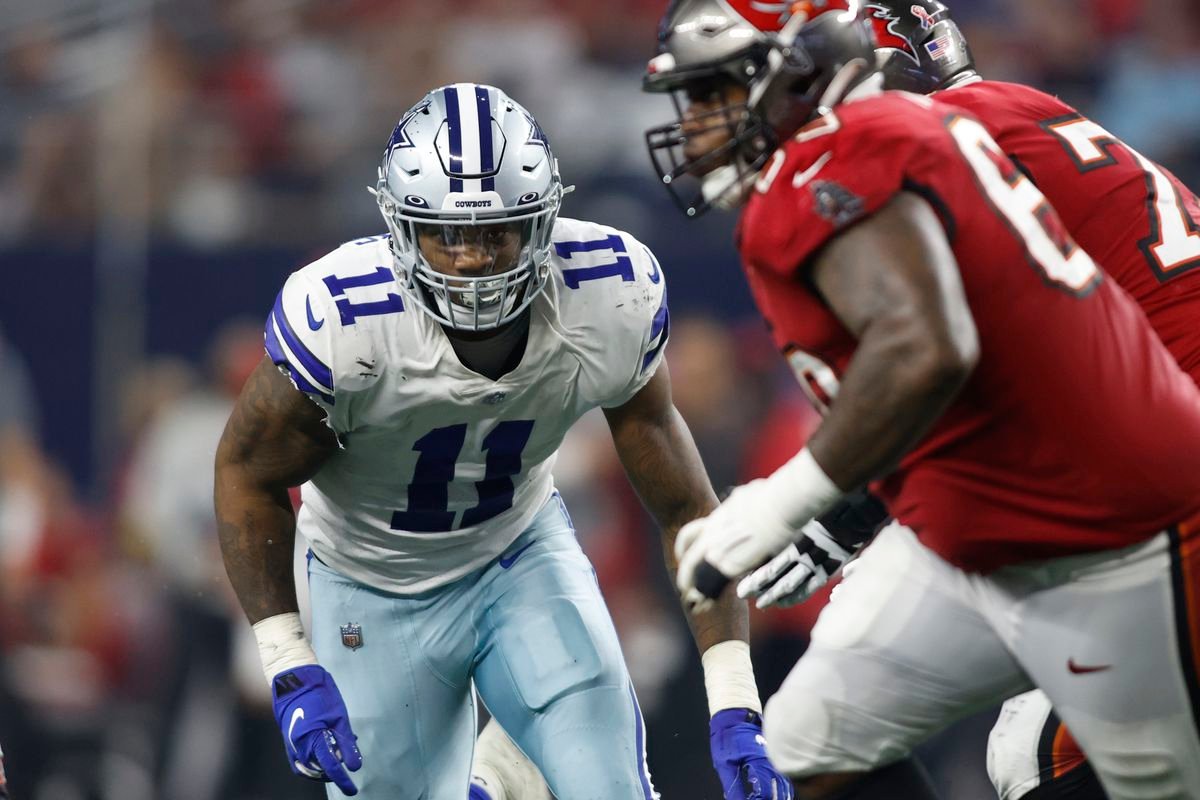
The Tampa Bay Buccaneers vs Dallas Cowboys Match Player Stats’ defensive front produced some of the most impactful statistics of the matchup. Their star pass rusher delivered multiple pressures, forcing quick throws and reducing Tampa Bay’s offensive rhythm. Interior linemen clogged running lanes effectively, reflected in the Buccaneers’ low rushing efficiency. One defensive tackle recorded multiple tackles for loss, demonstrating dominance in the trenches. Across key categories—including pressure rate, quarterback hits, and sack totals—the Cowboys’ defensive front built a statistical edge that influenced the flow of the game. Their ability to stop the run early forced Tampa Bay into predictable pass-heavy sequences.
Linebacker Performance and Coverage Effectiveness
Linebackers from both teams showcased contrasting performances. For the Tampa Bay Buccaneers vs Dallas Cowboys Match Player Stats, linebackers accumulated high tackle counts, especially in open-field scenarios. They reacted quickly to short passes and screen plays, though their coverage metrics revealed vulnerabilities exploited by the Cowboys’ tight end and slot receivers. Missed tackles in critical situations also impacted Tampa’s defensive reliability. Dallas’ linebackers excelled in both run support and coverage. Their stats included multiple tackles for loss, tight coverage metrics, and a crucial interception that deflated the Buccaneers’ momentum. Their blend of athleticism and discipline allowed them to neutralize Tampa Bay’s intermediate passing game.
Secondary Statistics and Coverage Breakdown
The secondary units provided some of the most telling statistics in the game. Tampa Bay’s defensive backs struggled against Dallas’ explosive receiving corps, allowing multiple deep completions and high yards-after-catch numbers. Their coverage breakdowns were evident in receiver separation metrics and touchdown concessions. Some bright spots appeared in the form of pass breakups, but inconsistencies overshadowed these moments. Tampa Bay Buccaneers vs Dallas Cowboys Match Player Stats’ secondary displayed strong numbers across the board. Their cornerbacks limited Tampa Bay’s deep threats effectively, reflected in low yards-per-attempt allowed. A key interception and multiple pass deflections highlighted their impact, while safeties provided reliable run support and prevented explosive plays from extending.
Special Teams Player Stats and Momentum Shifts
Special teams played an underrated yet crucial role, with statistics showing contributions that influenced field position and scoring opportunities. The Tampa Bay Buccaneers vs Dallas Cowboys Match Player Stats’ kicker remained reliable on field goal attempts, maintaining accuracy even on deeper kicks. Their punter excelled in directional punting, pinning the Cowboys deep on several drives. Dallas matched these contributions with a strong special teams performance of their own. Their kicker converted all attempts, while a long punt return provided a momentum boost that shifted the game’s trajectory. Coverage unit stats highlighted disciplined execution and minimal yardage allowed on returns.
Coaching Strategy Reflected Through Player Stats
The statistics also reveal the fingerprints of coaching decisions throughout the match. Tampa Bay Buccaneers vs Dallas Cowboys Match Player Stats coaching staff appeared to emphasize controlled, methodical drives, reflected in their high short-pass attempts and low yards-per-completion. However, their adjustments against Dallas’ defensive pressure were limited. Dallas’ coaching, on the other hand, showcased adaptability and aggressiveness. Their offensive play-calling encouraged vertical passing, maximizing their quarterback’s arm strength and receiver talent. Defensively, their strategic pressure packages resulted in high disruption rates, reflected in Tampa’s forced errors.
Key Statistical Performers Who Defined the Match
Several players emerged as statistical leaders who shaped the game’s outcome. For Tampa Bay, the top wide receiver, the lead running back, and their star linebacker posted standout individual performances. The Tampa Bay Buccaneers vs Dallas Cowboys Match Player Stats showcased dominant contributions from their quarterback, top receiver, tight end, and edge rusher—all of whom recorded elite-level statistical outputs. These players’ combined efforts etched their impact on nearly every major turning point throughout the matchup.
Statistical Turning Points That Shifted the Momentum
Throughout the game, pivotal moments tied directly to player stats played a major role in momentum swings. A deep touchdown reception by the Tampa Bay Buccaneers vs Dallas Cowboys Match Player Stats opened the scoring gap. A forced fumble by Dallas’ pass rusher reversed Tampa Bay’s promising drive. Conversely, a red-zone stop by the Buccaneers provided a temporary spark that kept them within reach. These statistical moments shaped the narrative and highlighted how both teams capitalized—or failed to capitalize—on opportunities.
Final Statistical Assessment of the Match
The Buccaneers displayed resilience and moments of brilliance throughout the match, but the Cowboys’ superior statistical performance across offense, defense, and special teams ultimately tipped the balance. Dallas dominated key categories, including passing yards, rushing efficiency, defensive pressures, and explosive plays. Tampa Bay Buccaneers vs Dallas Cowboys Match Player Stats delivered strong individual performances but lacked the overall consistency reflected in their statistical profile.
Conclusion
The Tampa Bay Buccaneers vs Dallas Cowboys Match Player Stats produced a compelling set of player stats that demonstrated strategic excellence, individual talent, and the intensity of elite NFL competition. The Cowboys emerged statistically superior, with dominant offensive production, effective defensive schemes, and impactful special teams contributions. The Tampa Bay Buccaneers vs Dallas Cowboys Match Player Stats showcased grit and talent but struggled in key statistical categories that ultimately shaped the game’s outcome.
You May Also Read: Steelers vs Philadelphia Eagles Match Player Stats
