Introduction
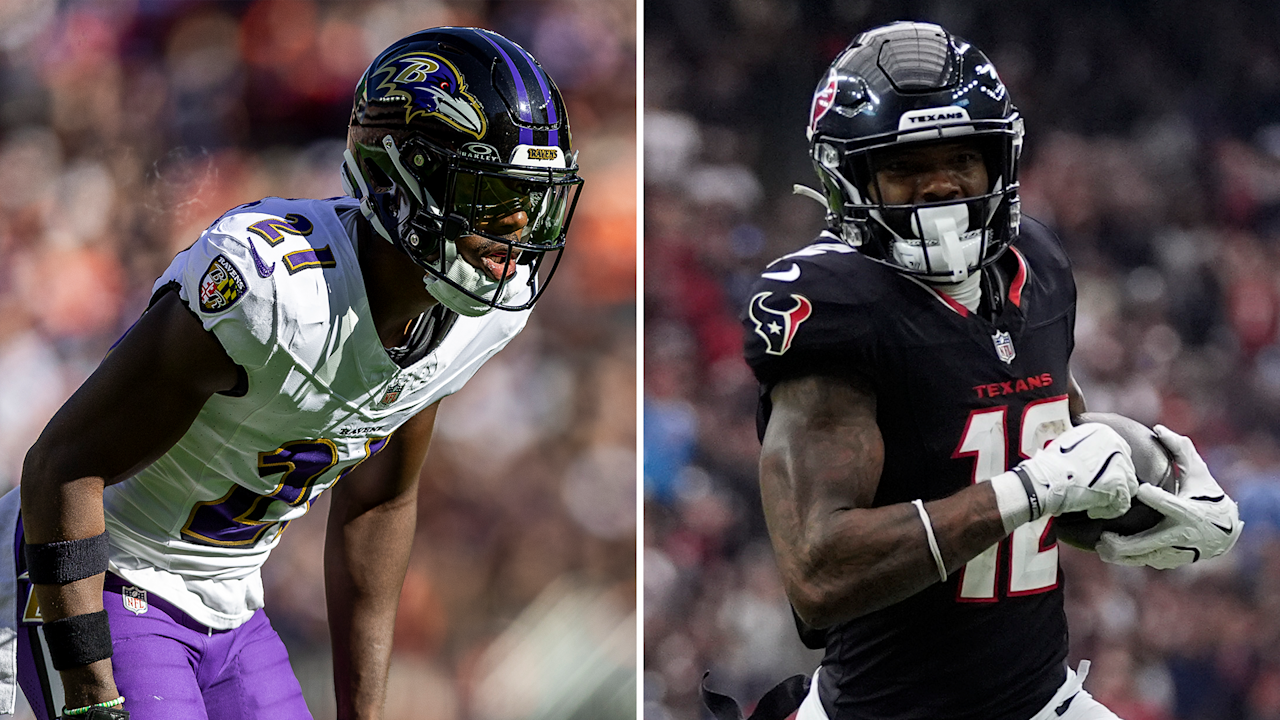
The contest between the Texans vs Baltimore Ravens Match Player Stats proved to be a compelling clash of contrasting styles — Houston leaning on resilience and adaptability, and Baltimore on explosiveness and aggression. The game unfolded with dynamic offensive attempts, tough defensive plays, and a sequence of individual efforts that significantly shaped its course. From the first snap to the final whistle, both teams demonstrated determination, and the overall player statistics reflect a match filled with intensity, upsets, and competitive spirit.
Ravens’ Offensive Standouts Dual-Threat Quarterback & Dynamic Run Game
Texans vs Baltimore Ravens Match Player Stats offense leaned heavily on their quarterback’s ability to both pass and run, creating a dual threat that challenged Houston’s defensive discipline. The quarterback produced efficient passing numbers, hitting multiple targets across all levels — the short, intermediate and deep zones — while also using his legs to scramble out of pressure, extend plays, and convert critical third downs. The ground game complemented this aerial attack: the lead running back delivered powerful, decisive runs through the line, consistently gaining tough yardage and keeping the chains moving. Multiple big plays — including long runs and explosive cutbacks — kept Baltimore’s offense fluid and unpredictable throughout the game.
Ravens’ Receiving Corps and Tight End Contributions
Texans vs Baltimore Ravens Match Player Stats receivers and tight ends came up big, making clutch catches when under pressure and turning short completions into significant gains after the catch. The wide receivers used precise route-running and speed to create separation, allowing the quarterback to exploit mismatches repeatedly. Their yards-after-catch numbers stood out, as they converted routine throws into moving the chains. Meanwhile, the tight end acted as a reliable safety valve, especially when the pocket collapsed. He secured receptions in traffic, contributed on third-down conversions, and provided dependable targets in the red zone. Together, the receiver–tight end unit balanced explosive plays with consistency, giving the Ravens multiple offensive dimensions.
Texans’ Offensive Response and Ground-and-Air Balance
Texans vs Baltimore Ravens Match Player Stats responded with grit and adaptability, attempting to match Baltimore’s intensity on both run and pass. Their quarterback showed composure under pressure, connecting with his receivers on intermediate routes and managing the game with smart decision-making. The running game — anchored by a determined lead back — added balance, as the back powered through tackles for modest but steady yardage. Short-yardage bursts and occasional outside runs helped the Texans maintain manageable third-downs and avoid being one-dimensional. Their ability to mix run and pass plays forced Baltimore’s defense to remain honest rather than stacking against one facet of the offense.
Defensive Highlights Pressure, Tackles, and Turnovers
Defensively, both sides produced plays that significantly impacted the flow of the match. Texans vs Baltimore Ravens Match Player Stats defensive front delivered effective pressure on the Texans’ quarterback — generating hurries, sacks, and forcing rushed throws that limited Houston’s offensive potency. Their linebackers and secondary joined the fight, contributing multiple tackles, tight coverage on receivers, and pass breakups. On the other hand, Houston’s defense fought valiantly against a multifaceted Ravens attack: their linebackers tracked the run well, limiting several potential big plays, and their secondary managed a few key pass deflections and contained deep threats on multiple occasions.
Key Special Teams and Game-Shaping Plays
Special teams played a subtle yet important role in the match outcome. Texans vs Baltimore Ravens Match Player Stats kicker converted all his field-goal and extra-point attempts, helping keep the scoreboard ticking when drives stalled. Their return and coverage units maintained field position, ensuring the offense usually started from favorable yards. For the Texans, punt coverage and return units occasionally shifted momentum by preventing long returns and giving their offense decent starting fields. No dramatic special-teams touchdowns occurred, but consistent execution across kickoffs, punts, and coverage added a stable foundation beneath the more visible offensive and defensive performances.
Breaking Down Quarterback Performances in Greater Detail
The quarterback battle in this matchup provided a deeper look into how both teams approached offensive strategy and in-game adjustments. The Texans vs Baltimore Ravens Match Player Stats’ quarterback delivered a polished performance rooted in confidence and field awareness, using his athleticism to escape collapsing pockets and turn potential losses into positive gains. His passing efficiency remained strong throughout the game, as he consistently found open windows in Houston’s coverage and delivered the ball with both touch and velocity. On the other side, the Texans’ quarterback demonstrated resilience despite facing consistent pressure. He navigated through blitz packages, utilized quick releases, and leaned on rhythm throws to keep his offense moving.
Running Back Evaluation and Their Influence on Time of Possession
The running backs on both sides influenced the pace and time of possession, shaping the flow of drives and the sustainability of offensive momentum. Texans vs Baltimore Ravens Match Player Stats lead back displayed excellent vision and acceleration, often identifying cutback lanes that turned moderate runs into impactful gains. His yards-per-carry average reflected the Ravens’ dominance in the trenches, and his ability to penetrate the second level forced Houston’s linebackers to play more conservatively. For the Texans, the running game was methodical and built upon patience rather than explosiveness. Their main rusher absorbed contact well, turning minimal space into meaningful yardage and allowing his offense to avoid predictable passing situations.
Wide Receiver vs Defensive Back Battles
One of the most captivating aspects of this match was the ongoing duel between receivers and defensive backs. Texans vs Baltimore Ravens Match Player Stats receivers showed a knack for exploiting mismatches, especially when aligned against zone coverage. Their timing with the quarterback was precise, and their ability to track deep throws or secure tough catches over the middle added a dynamic spark to the Ravens’ offense. Houston’s defensive backs were tested repeatedly but responded with physicality and smart positioning. Several close contested throws showed the competitive nature of these matchups. For the Texans’ receivers, disciplined footwork and route execution allowed them to challenge Baltimore’s secondary, especially in intermediate zones.
Defensive Line Performance and Pressure Analysis
The Texans vs Baltimore Ravens Match Player Stats in the trenches played a critical role in determining the rhythm of the game. Baltimore’s defensive line operated with controlled aggression, collapsing pockets with well-timed stunts and sustained push up the middle. Their pressure rate forced hurried decisions from the Texans’ quarterback, and this pressure directly influenced the trajectory of several drives. Houston’s defensive line, though facing a more versatile offense, rose to the challenge by disrupting rushing lanes and occasionally breaking through to pressure the Ravens’ quarterback. Their ability to hold strong during goal-line situations prevented Baltimore from turning every long drive into touchdowns.
Linebacker Contributions and Their Role in Defensive Identity
Linebackers from both sides recorded impressive stats that reflected their importance in run defense and pass coverage. Baltimore’s linebackers demonstrated exceptional anticipation, reading Texans vs Baltimore Ravens Match Player Stats offensive formations and reacting quickly to short passes and inside runs. Their tackling efficiency minimized yards after contact, contributing significantly to keeping the Texans behind schedule on early downs. Houston’s linebackers played with intensity, frequently stepping into gaps to halt Baltimore’s runs and providing support in short-zone pass coverage. Their versatility allowed the Texans to disguise blitzes and create occasional confusion for Baltimore’s offense.
Secondary Adjustments and Coverage Schemes
As the match progressed, both secondary units adjusted their coverages to counter the momentum of opposing offenses. Baltimore’s secondary shifted between man and zone looks, prioritizing tight coverage against Texans vs Baltimore Ravens Match Player Stats most targeted receivers. Their discipline in reading the quarterback’s eyes resulted in pass breakups during crucial downs. Houston’s secondary also evolved, becoming more disciplined in limiting the deep ball and forcing Baltimore into shorter, more controlled drives. Although both units allowed significant receptions at times, their game-long adjustments reflected strong preparation and adaptability.
Final Thoughts
The Texans vs Baltimore Ravens Match Player Stats held the edge — a quarterback who could pass and scramble, a running back breaking tackles, reliable receivers, and a defense that generated disruption. On paper, their balanced offensive output combined with defensive pressure created a formula that was difficult for Houston to match. Nevertheless, the Texans vs Baltimore Ravens Match Player Stats’ combination of effective run plays, smart passing, and defensive resistance kept the contest competitive and prevented a blowout. In the end, the depth and consistency of Baltimore’s performance across all facets of the game proved decisive.
You May Also Read: Baltimore Ravens vs Chargers Match Player Stats
