Introduction
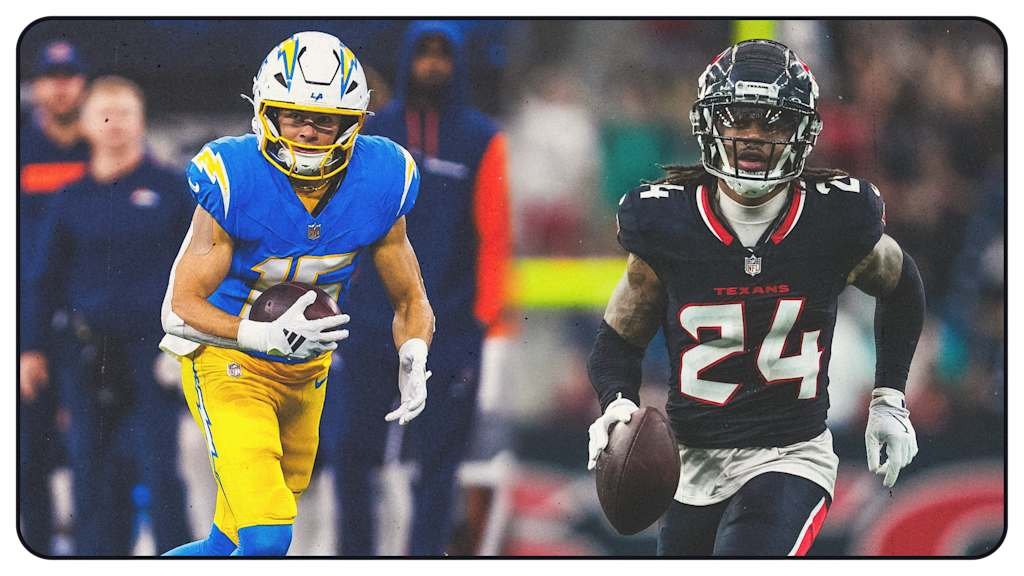
The matchup between the Chargers vs Texans Match Player Stats has become one of the more intriguing encounters in the NFL, often showcasing explosive offensive sequences and standout individual performances. Their styles differ—Los Angeles relies on a high-tempo, pass-heavy structure, while Houston leans on efficiency, adaptability, and emerging young stars. Every time these two teams meet, player statistics tell a deeper story beyond the final score. This article provides a complete, in-depth, and uniquely crafted analysis of the players’ contributions, their influence on game flow, and the metrics that defined the contest.
Justin Herbert’s Commanding Quarterback Performance
Justin Herbert entered the matchup as the central figure of the Chargers vs Texans Match Player Stats’ offensive strategy, and his statistics reflected his elite presence on the field. Completing a high percentage of his passes with controlled precision, Herbert once again demonstrated his ability to read defenses pre-snap and adapt mid-play. Whether threading the ball between tight coverage or executing long-range throws down the sideline, his consistency kept the Chargers competitive throughout the game. His passing yards, touchdown count, and low turnover rate highlight not only his mechanics but also his poise under pressure, confirming his reputation as one of the NFL’s rising superstars.
C.J. Stroud’s Accuracy and Analytical Approach
On the opposite side, Chargers vs Texans Match Player Stats Houston’s young quarterback C.J. Stroud delivered a performance marked by discipline and smart decision-making. Stroud utilized a careful blend of short passes, mid-range throws, and occasional deep attempts to test the Chargers’ secondary. His accuracy percentage remained impressive, and his ability to avoid unnecessary sacks by getting the ball out quickly played a crucial role in keeping Houston’s drives alive. The stats reveal a quarterback who is growing rapidly in confidence, composure, and understanding of defensive alignments. Despite being early in his career, Stroud’s performance reflected maturity beyond his years.
Chargers Running Backs: Ground Efficiency and Receiving Support
The Chargers vs Texans Match Player Stats’ backfield provided additional offensive firepower, driven by a combination of power runs and receiving versatility. Their rushing yards per carry average illustrated the effectiveness of their offensive line, which created running lanes against Houston’s often aggressive but inconsistent defensive front. Additionally, the backs contributed a significant number of receiving yards, offering Herbert essential check-downs and extending plays. Their ability to break tackles and gain yards after contact added depth to the Chargers’ overall performance metrics.
Texans Running Game: Consistency and Clock Management
The Chargers vs Texans Match Player Stats’ running backs showcased a style centered around ball security, clock control, and methodical advancement of the chains. Their ground stats demonstrated strong discipline between the tackles, with occasional bursts of speed on outside runs. Though not always explosive, the Texans’ rushing unit delivered consistent gains, allowing the offense to maintain balanced play-calling. Their statistical contribution played a crucial role in sustaining long drives and controlling time of possession—an important factor in countering the Chargers’ high-octane offense.
Chargers Receiving Corps: Deep Threats and Tactical Routes
Chargers vs Texans Match Player Stats has one of the most dynamic receiving groups in the NFL, and their performance against the Texans once again displayed their range of abilities. The key receivers posted significant yardage totals, with standout plays coming from deep passes, seam routes, and sideline throws. Their yards-after-catch numbers also highlighted their speed and footwork. Herbert’s synergy with his receivers was evident in their high completion rate, and several receivers posted impressive stats in both receptions and scoring contributions. The receiving corps’ ability to stretch Houston’s secondary vertically and horizontally shaped the flow of the game.
Texans Wide Receivers: Emerging Stars and Precise Execution
Houston’s wide receivers delivered one of the strongest statistical performances of the matchup, showcasing polished routes, solid hands, and excellent situational awareness. Some of the breakout players produced unexpected yardage totals, proving that Houston’s receiving unit continues to evolve into one of the most underrated groups in the league. Their connection with C.J. Stroud, particularly on intermediate timing routes, helped move the chains and keep the Chargers vs Texans Match Player Stats on their heels. The Texans’ passing stats reflect a balanced distribution of targets, which kept Los Angeles defenders guessing throughout the game.
Tight End Contributions: Blocking, Short Routes, and Touchdown Support
Both teams’ tight ends played multi-dimensional roles, contributing significantly to offense beyond the raw stats. For the Chargers vs Texans Match Player Stats, tight ends provided valuable blocking support, helping neutralize Houston’s pass-rush threats. Their receiving contributions, though sometimes subtle, often came in critical third-down situations. The Texans’ tight ends delivered similar two-way performances, combining route precision with stout blocking. Their cumulative yards, receptions, and red-zone targets illustrate how important their versatility was in shaping the match.
Defensive Pressure: Chargers’ Attempt to Dominate the Line
Defensively, the Chargers vs Texans Match Player Stats deployed heavy pressure tactics, attempting to overwhelm Houston’s offensive line. The stats reveal multiple quarterback hits, pressures, and a handful of key sacks that disrupted Stroud’s rhythm. Several Chargers defenders recorded impressive totals in tackles, tackles-for-loss, and pass deflections. Their focus on collapsing the pocket forced Houston to adjust quickly, influencing the timing and structure of the Texans’ offensive strategy. Despite Houston’s occasional strong protection, the Chargers’ defensive numbers remain a highlight of the match.
Texans Defensive Standouts: Clutch Moments and Red-Zone Strength
Houston’s defense, while challenged by Herbert’s accuracy and the Chargers vs Texans Match Player Stats’ aggressive passing game, delivered several crucial plays that shaped the final outcome. Individual defenders posted high tackle numbers, forced turnovers, and broke up passes at key moments. Their red-zone efficiency, reflected in limited touchdowns allowed on certain drives, proved vital in preventing the Chargers from running away with the scoreboard. Houston’s defensive stats show a unit with resilience, adaptability, and the ability to step up when needed most.
Special Teams Impact Across Both Sides
Special teams often provide the hidden yardage that influences momentum, and this match was no different. The Chargers vs Texans Match Player Stats’ return units produced valuable field position advantages, while their kicker delivered consistent results when called upon. Meanwhile, Houston’s special teams displayed discipline in coverage, limiting explosive returns and helping maintain manageable defensive scenarios. Field goal accuracy, punt averages, and kickoff placement statistics from both teams demonstrate how deeply special teams factors shaped the flow of the game.
Turnovers and Possession Dynamics
Turnovers often determine the momentum of an NFL game, and in this matchup, both teams experienced moments that shifted the field dramatically. The Chargers vs Texans Match Player Stats forced key fumbles and pressured Stroud into difficult decisions, while Houston returned the favor with opportunistic interceptions and strip plays. Possession stats reveal stretches dominated by one team followed by rapid shifts in the other’s favor. These statistical momentum swings highlight the unpredictable and strategic nature of the game.
Red-Zone Efficiency and Missed Opportunities
Both teams had multiple trips inside the 20-yard line, and their red-zone statistics tell an interesting story. While the Chargers vs Texans Match Player Stats moved the ball efficiently between the 20s, Houston’s defense stiffened at crucial moments, holding them to field goals in certain drives. Conversely, the Texans capitalized on several of their red-zone opportunities with scoring precision. These efficiency metrics play a central role in understanding why the score evolved the way it did and how each team navigated pressure-packed situations.
Overall Statistical Comparison and Match Summary
When comparing both teams’ full stat sheets—passing yards, rushing total, receiving distribution, defensive disruptions, and special teams numbers—the game emerges as a tightly contested battle defined by execution and timing. The Chargers vs Texans Match Player Statsexplosive offensive potential backed by strategic versatility, while the Texans showcased balance, discipline, and a rapidly improving young roster. The blend of their statistical outputs reveals a game shaped not by a single dominant factor, but by a series of well-executed plays from key players on both sides.
Conclusion
The Chargers vs Texans Match Player Stats delivered an array of memorable player performances, tactical adjustments, and statistical depth that highlight why this rivalry continues to capture fan interest. From Herbert’s commanding presence to Stroud’s disciplined execution, from dynamic receiving units to pivotal defensive stands, the game showcased the evolving identity and future potential of both teams. Whether analyzing quarterback efficiencies, rushing consistency, defensive pressure, or red-zone outcomes, the stats reveal a contest rich in competitiveness and individual brilliance. As the season progresses, both franchises will draw on the strengths and lessons from this matchup to refine their strategies and push toward greater success.
You May Also Read: 5StarsStocks.com Value Stocks
